Key takeaways
- Positioning ESP wins when boxes change where you stand — not only who you shoot.
- Distance, skeleton lean, and radar density tell you to hold, peek, or rotate before combat tools activate.
- Xray covers angle reads; Pro closes equal peeks; Private radar handles third-party rotates.
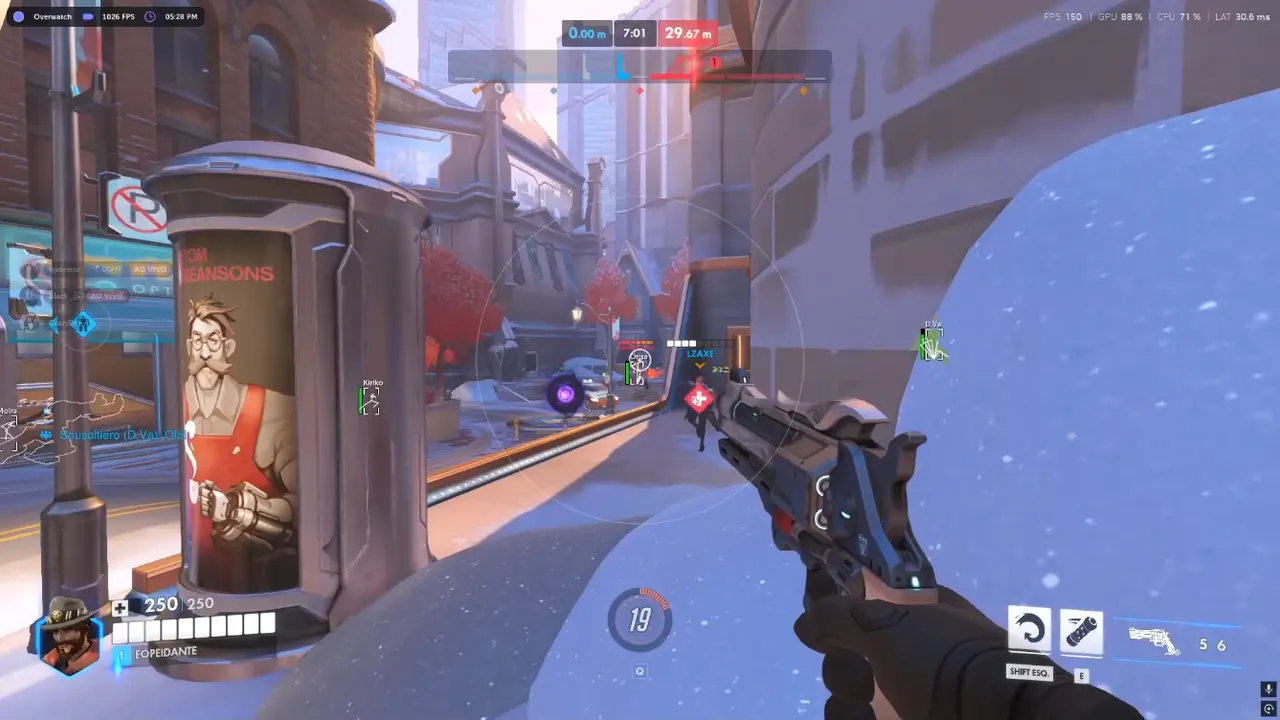
Positioning ESP is the Overwatch 2 habit of turning overlays into angles. Boxes through walls look like the whole product. Good players use those boxes to hold a stronger corner, cancel a wide swing, or rotate before a third hero arrives. Aim assist and trigger tools close a fight you already chose. They do not fix standing in the open because a silhouette appeared on your HUD.
This guide connects player ESP, skeleton posture, and 2D radar to holds, peeks, and payload-adjacent rotates. It is written for OverwatchCheats Xray, Pro, and Private — same overlay language, different depth. If fights are won and points still slip, add objective ESP so cart timing sits next to your angle plan.
Features that drive angles
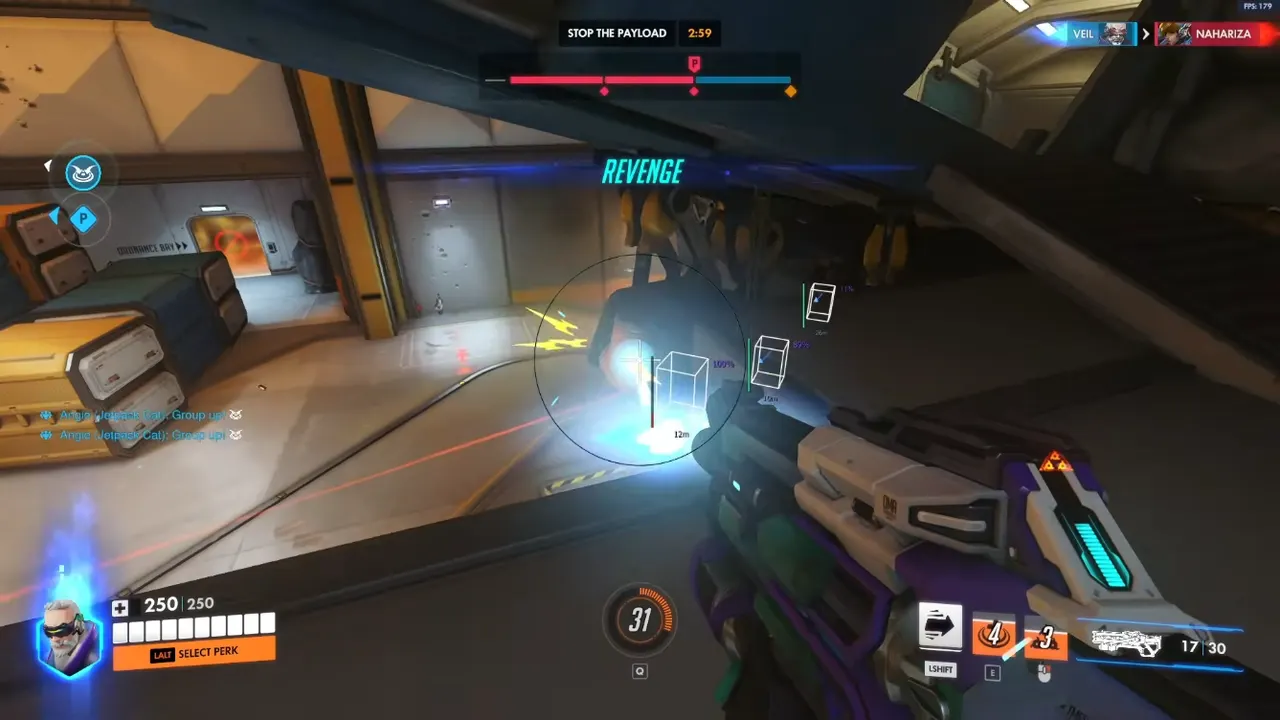
OverwatchCheats overlays give four positioning signals. Use them as a checklist, not a Christmas tree.
Distance readouts. Sub-15m favors doorframe holds and flanker CQB. Mid-range favors shoulder peeks with a reset. Long tags on a short-range hero mean decline the fight. Positioning includes walking away.
Skeleton and head marks. Posture shows which edge they hug. Pre-aim that edge or swing wide — do not mirror an equal peek because you “saw them first.” Head marks set height for off-angles; they are not a license to pre-fire through cover. Details live in the skeleton ESP guide.
Weapon and threat tags (Pro). Shotgun close means do not wide peek a hitscan lane. Sniper at mid-range means rotate, do not jiggle for free info. Threat coloring helps when two boxes appear at once.
2D radar (Private). Radar is the rotate tool. Two teams fighting on point plus a third blip is a cleanup clock, not a hero insert. Private Viper radar plus objective ESP is how you stop winning duels and losing the cart.
Xray is enough when the death type is “never had the angle.” Pro is the next step when the angle is yours and the trade still fails. Private is for off-screen density you cannot call from boxes alone.
Usage tips — holds, peeks, rotates
Choke entry. Sweep ESP before you walk in. If boxes stack inside, hold the doorframe off-angle and let them enter your pre-aim. Speed is not positioning.
High ground. Open ground is an ESP trap: you see them, they see you, someone else cleans both. Drop to cover, break LOS, re-engage from a new edge. Skeleton tells you which lip they hug.
Third-party timing. Low-health boxes plus a new radar blip means wait for the cleanup window. If you do not have radar, your job is even more conservative — do not take a 1v2 in the open because one box looked weak.
Objective-adjacent PvP. Payload fights are choke holds. Player ESP from cart lanes should push you off the marker into nearby cover. Stand on the objective only when the overlay says the fight is yours to take.
Save a positioning profile: corner boxes, fight-range distance cap, skeleton on for duel maps, radar on only if you own the Private stack and third parties dominate your notes. Split that from a cluttered “everything on” slot. The ESP guide covers box styles; this page is about what you do after you can read them.
Anti-cheat and safety while you play angles
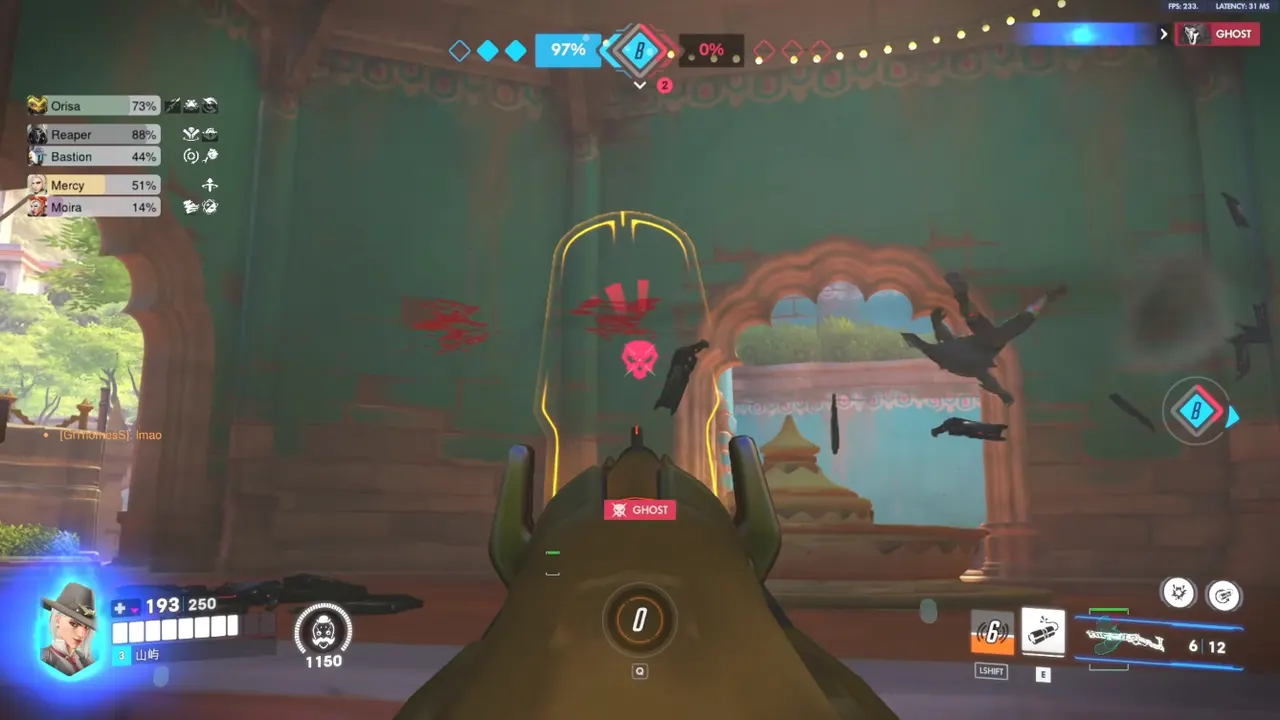
Positioning ESP is still an overlay. Pre-aiming heads through full cover, spraying a radar blip you cannot see, or holding aim assist through walls before you move all create the same report pattern: information used like a wallhack highlight reel.
Safer angle play on OverwatchCheats:
- Visibility checks on if you use Pro aim or trigger.
- Combat tools off until the angle is won. ESP first, automation second.
- No pre-fire through geometry because skeleton showed a spine.
- Streamers: a quieter box style on broadcast nights — see stream-safe overlays.
Low-profile settings exist so your peeks still look like peeks. Overwatch 2 kill cams reward the player who held cover, not the one who tracked a model through three walls and then swung anyway.
Why OverwatchCheats for positioning
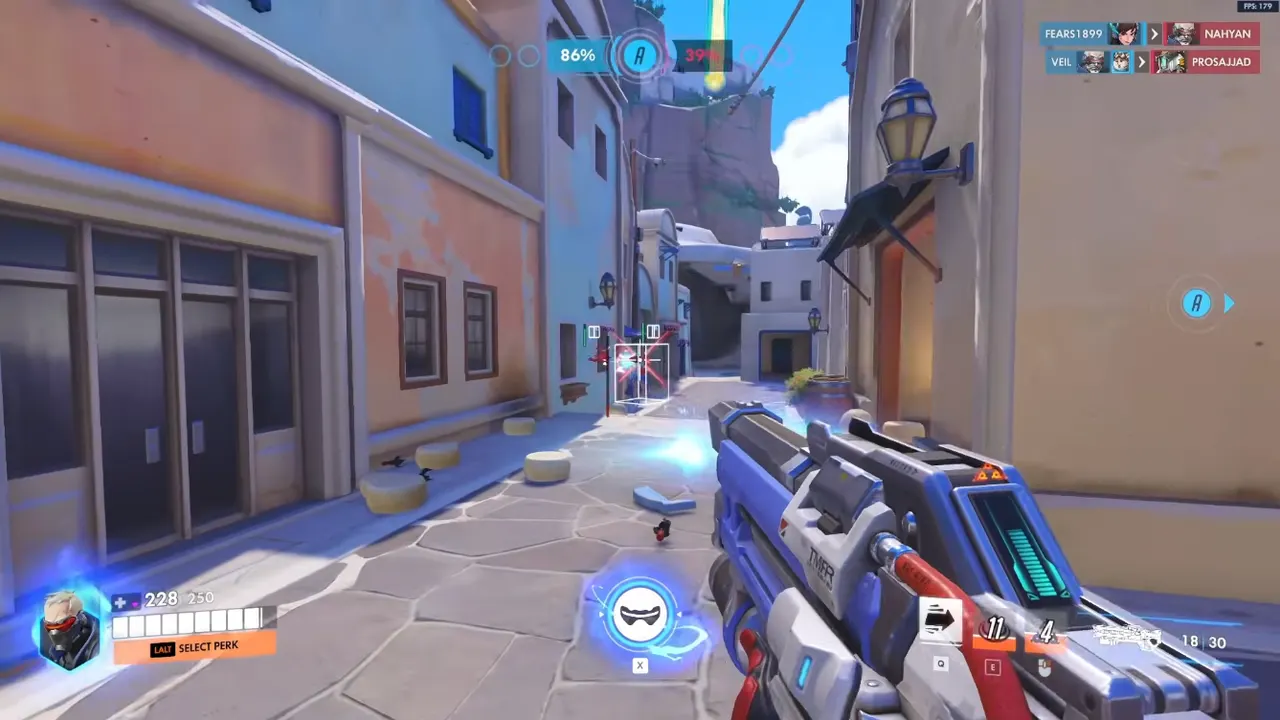
OverwatchCheats keeps the ladder honest. Xray is awareness. Pro is duel closure. Private is in-house Viper radar and objective intel. You do not need the full stack to learn angles — you need readable boxes and the discipline to move.
Get Access from /cheats/ when you know which death type you are buying for. Then use this library as the playbook: player ESP for the foundation, radar for off-screen wraps, objective ESP for cart timing. Positioning ESP is the glue between those pages.
Common positioning mistakes with ESP
Box watching. Standing still because the overlay feels like a wallhack. Mobile angles beat static ESP.
Equal peek addiction. You saw them and still wide-swing. Hold off-angle or pre-aim the lean.
Ignoring weapon tags on Pro. Pushing shotgun range with hitscan habits loses despite seeing first.
No objective discipline. Won the duel, lost the point because radar and cart timing were ignored. Pair with objective ESP.
Overconfidence from skeleton. Posture lags animation. Combine lean with closing speed before you commit.
Sound still matters. Footsteps confirm ESP direction when skeleton is partial. After season shifts, preferred angles change even if the overlay does not — meta analysis is the companion when dive versus poke changes your distance cap.
Bottom line
Overwatch 2 positioning ESP pays off when visibility changes where you stand. Distance, skeleton, weapon tags, and radar exist to cancel bad fights and amplify good holds before Pro or Private combat tools enter. Master angles on Xray. Upgrade when replay notes name a specific failure — lost equal peeks or unseen rotates — not because a denser menu looks more serious.