Key takeaways
- Overwatch 2 solo queue cheats should be self-sufficient ESP first — nobody is calling the wrap.
- Stacked lobbies win with one radar anchor and mixed Xray or Pro roles, not five identical full menus.
- Match OverwatchCheats tiers to queue type and death notes, not to a denser screenshot.
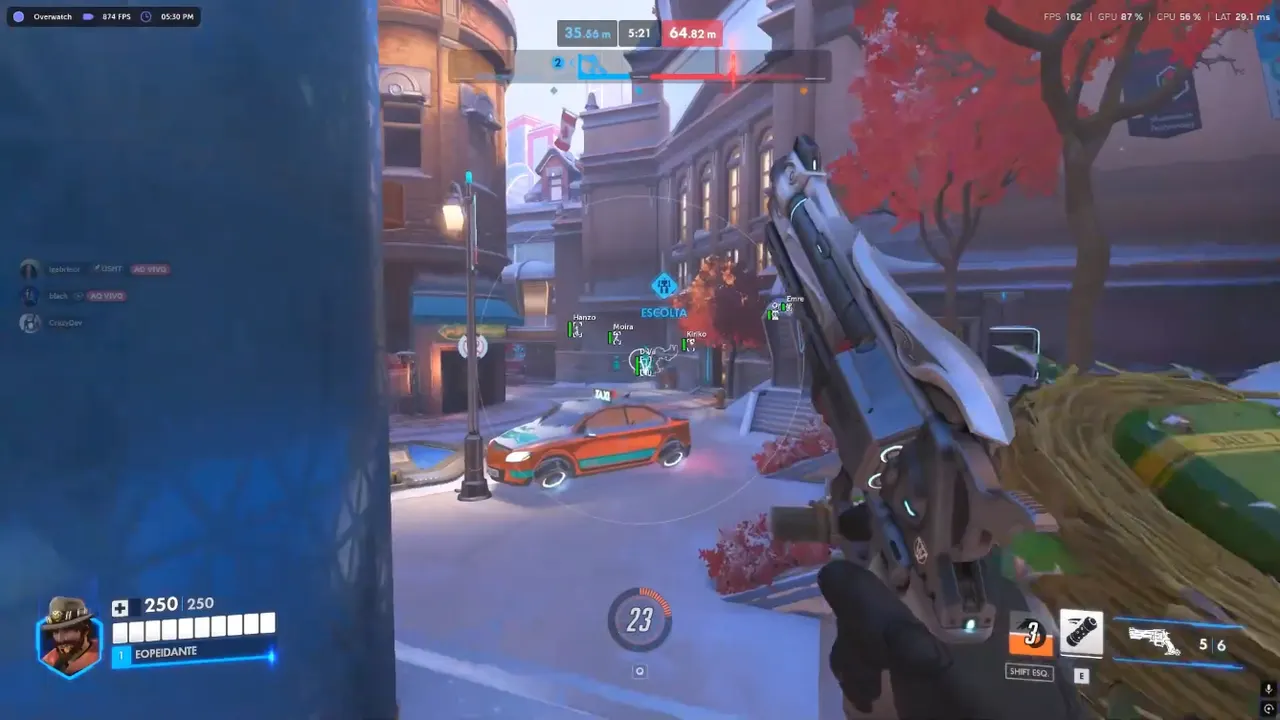
Overwatch 2 solo queue cheats are a different overlay problem than a five-stack HUD. Solo you absorb every missed flank, every surprise ult, and every payload loss with no guaranteed callouts. A coordinated group already shares voice timing — the overlay should fill gaps comms cannot, not five people reading the same radar blip. This guide splits ESP, radar, and aimbot settings by queue type so OverwatchCheats Xray, Pro, and Private match how you actually queue.
Ranked report pressure is the cousin topic: competitive cheats. Slider hygiene that applies to both queues is low-profile settings. Radar as a team tool is the radar guide. This page is the playstyle split.
Features That Change Between Solo and a Stack
The same menu is not the same product in both queues. Feature priority flips.
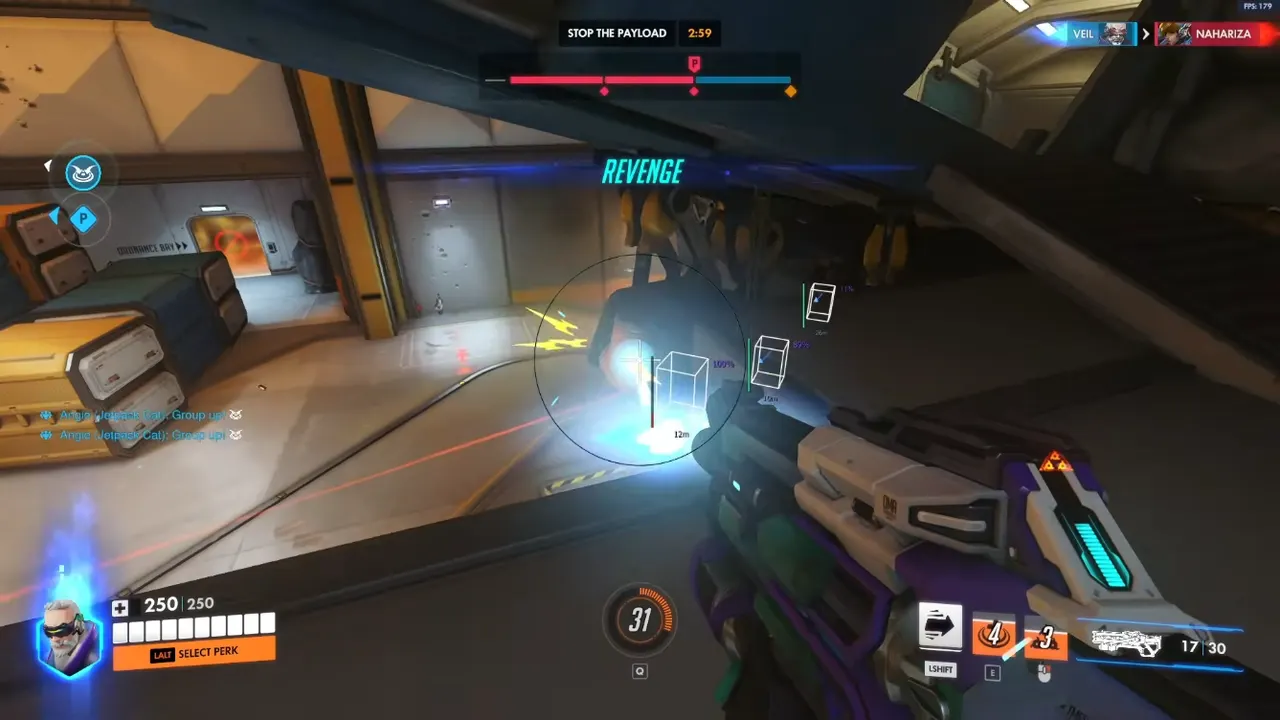
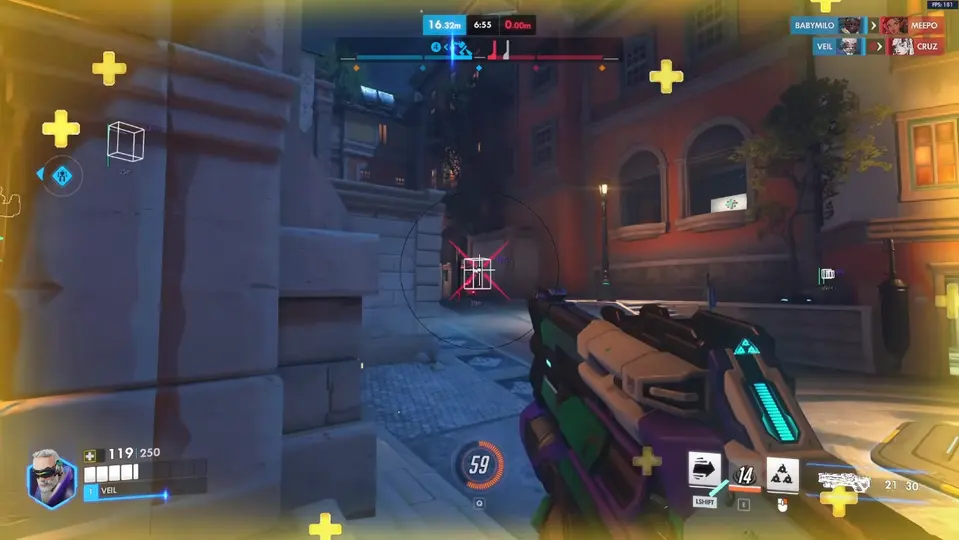
Solo queue. Information failures dominate. Random comps, no guaranteed peel, no IGL. Deaths cluster on unseen flanks, surprise ults, and fighting the cart a second too late. That makes readable hero ESP the default: boxes, distance, health, a short ability or ult read if your tier includes it. Xray is built for that job. Pro is the upgrade when you already see the duel and still lose the tracking window. Private earns a seat when wraps and objective losses remain after boxes are clean — 2D radar covers off-screen density boxes cannot.
Solo feature order that actually helps:
- Enemy-only player boxes and a hard max distance
- Health and a conservative ult or cooldown filter
- Light smooth targeting on Xray, or hold-key aim assist on Pro after awareness plateaus
- Radar and objective layers only if replay notes still say “won the fight, lost the point”
OW2 stacked lobby. Voice already tracks ults, multi-angle peeks, and push timing. Cheat value shifts to tools comms cannot replace instantly: weapon ESP on the duel role, one radar for the shotcaller, aim assist on the person taking the 1v1. A full group overlay on everyone is usually worse than mixed tiers. Five identical Private menus create five people staring at the same blip.
Role split that keeps a stack readable:
- Shotcaller / IGL — Private radar and objective intel, combat sliders quiet
- Main DPS — Pro aim assist and trigger on a fight bind, boxes already tuned
- Flex DPS — Xray or Pro depending on whether the bottleneck is vision or trades
- Support — Xray with ult confirmation; voice already covers a lot of cooldown talk
- Tank — Xray plus positioning reads; trigger is rarely the tank’s problem
What not to treat as a feature. Copying a five-stack radar profile into solo. Copying a solo “I have to see everything” profile into a stack that already talks. Those are the two ways Overwatch 2 team cheats and Overwatch 2 solo cheats fail in the same week.
Confirm live menus on the cheats catalog after patches. This article is the queue-type job, not a substitute for the tier pages.
Anti-Cheat and Safety When the Lobby Is Watching
A stack with five maxed combat tools staggers like a deathmatch. Report risk also stacks: one obvious player can spotlight the whole group. Solo is quieter socially and louder on the killcam if you never die to a flank you “should not have known about.” Both queues still live under the same anti-cheat weather.
Safer solo habits:
- Play ESP like a good player would guess — rotate because the angle is empty, not because you cleared the next room through a wall on spawn
- Keep combat off in setup even when nobody is watching your screen
- Cap box distance so you are not reacting to a spawn-room hero
- Do not treat Private radar as a second crosshair in solo; staring at the widget during a 1v1 is how you lose the duel the overlay was supposed to help
Safer stack habits:
- One person is allowed to call overlay truths; everyone else translates them into normal Overwatch language
- No five-person pre-fire on the same radar contact
- Align combat intensity — one rage DPS and four subtle overlays feels like two teams in the replay
- Streamers in the group still need capture exclude; a leaked group overlay is five menus, not one
Low-profile settings should be the shared baseline, not a solo-only hobby. Ranked-specific report optics — streaks, role mismatch, chat tells — live in competitive cheats. This page only adds the group-versus-alone layer: duplicate intel is a tell, and mixed tiers are how you avoid it.
Usage Tips for Solo Queue and Group Overlays
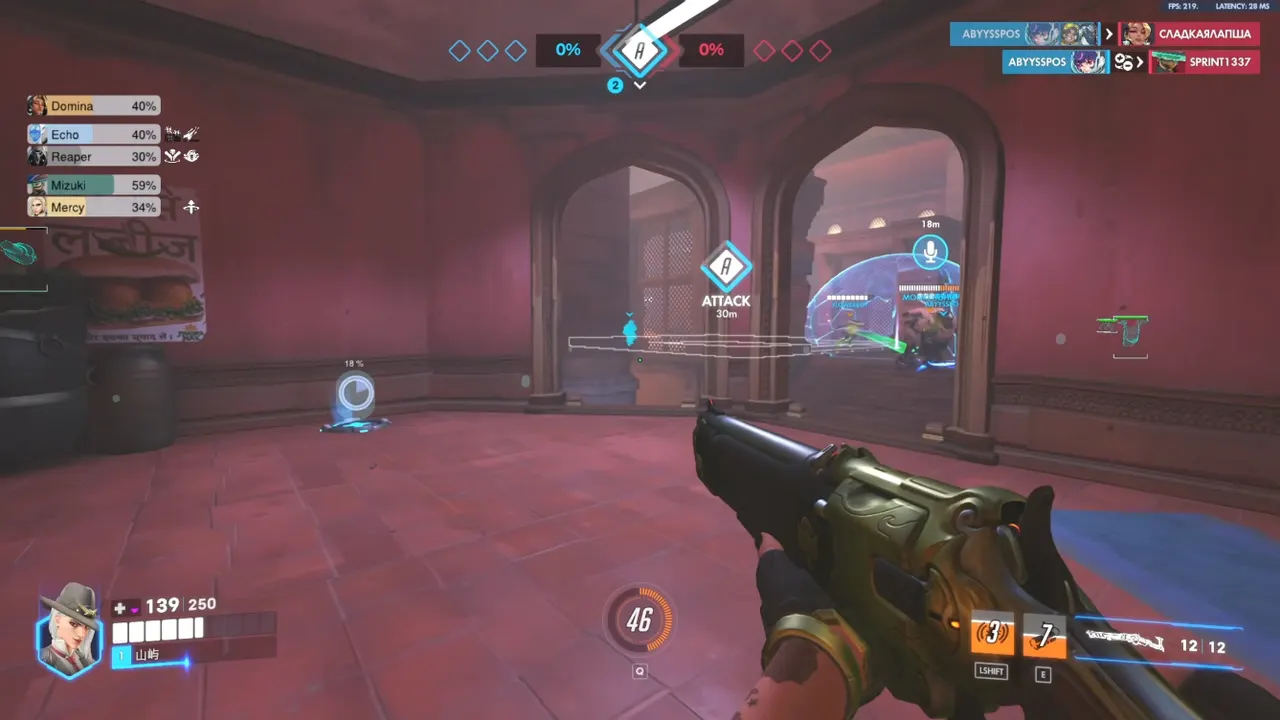
Save two ranked profiles. Name them. Solo: boxes, health, ult or cooldown filter, combat key default off, radar off or tiny if you own Private. Stack: radar on the IGL slot, weapon ESP on DPS, quieter ult overlay if voice is reliable, same combat-off-in-setup rule for everyone.
Do not paste Quick Play rage into either profile. Chaos tolerance is not the same as competitive. The stack will notice a teammate spraying shields. Solo opponents will notice a Widow who never misses a spawn peek.
Translate ESP into movement, not essays. “Two closing left” is a call. Silent box staring is not. Solo players can still ping. Stacks should ban overlay jargon in voice — call it like a player who saw a silhouette.
Upgrade on death type, not on envy. Solo: if the VOD says never saw them, stay on Xray and fix boxes. If it says saw them, lost the gunfight, read Pro. If it says won the gunfight, lost the wrap, read Private radar. Stack: if callouts already cover flanks, extra radar is clutter. If the IGL is guessing cart timing, that is the Private seat.
Hero and role still matter. A solo support lives on awareness. A stacked hitscan lives on a tight FOV and a fight bind. Do not run the same trigger delay on both just because the loader is shared.
Test the split in Quick Play. A mixed-tier stack should scrim the comms plan before ranked. If two people call the same blip, turn one overlay down. If the IGL never looks at radar during setup, the widget is in the wrong corner or the zoom is wrong — fix that in the radar guide before you blame the tier.
Why OverwatchCheats for Solo and Team Queue
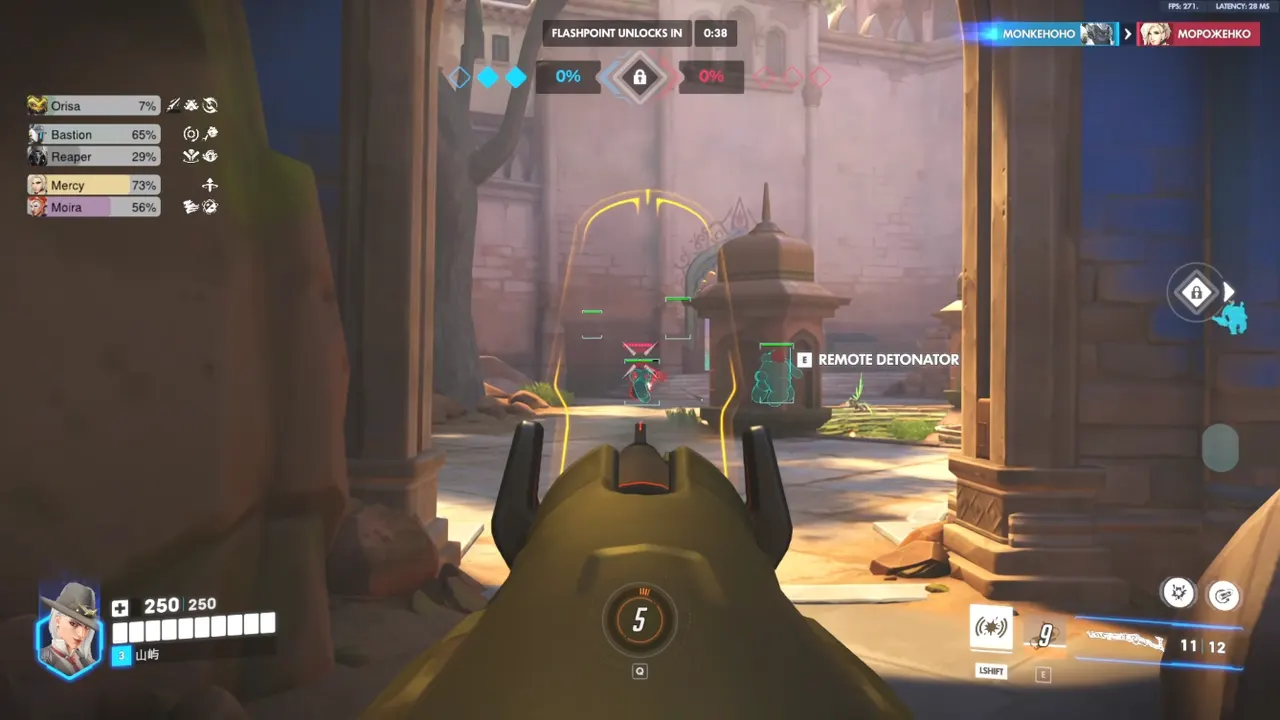
A lot of catalogs sell one “full menu” and leave you to argue in Discord about who enables it. OverwatchCheats names three jobs so a five-stack can mix them and a solo climber is not forced into radar to see a flank.
- Xray — readable hero ESP and light targeting when information is the leak
- Pro — aim assist and trigger when equal trades fail after boxes are clean
- Private — Viper radar, objective intel, and the rest of the stack for the person who actually calls the map
We do not publish dollar amounts on this site. Compare the feature lists on /cheats/, then Get Access on the tier that matches the queue you play tonight. Support sits next to checkout if a profile needs a second look after a patch.
Xray is not “less serious.” Pro is not “almost Private.” Private is not mandatory for every friend in the party. That split is why this catalog exists next to the competitive and low-profile posts — ranked behavior and slider hygiene are shared; overlay roles are not.
If you queue alone, treat Overwatch 2 solo queue cheats as a self-sufficient awareness stack first. If you queue as a group, treat Overwatch 2 team cheats as assigned seats: one radar, mixed combat, comms that still sound like Overwatch. Match the tier to the queue, kill duplicate overlays, and upgrade when death types demand it — not when the rest of the lobby bought a denser menu.