Key takeaways
- An Overwatch 2 spoofer masks hardware identifiers after a flag — it does not unban an account or replace a current cheat build.
- Clean Windows sessions and spoof-before-login order matter more than stacking extra tools.
- Pair identifier masking with Xray, Pro, or Private as a separate product, then keep the same overlay discipline as everyone else.
An Overwatch 2 spoofer is hardware-ID masking after a flag, not a magic unban button. When Blizzard correlates a Battle.net account to disk serials, MAC values, and SMBIOS data, the next login on the same machine can inherit that restriction before you finish placements. This Overwatch 2 spoofer guide covers what identifier masking actually does, how clean Windows sessions fit the order of operations, and why spoofers sit beside Overwatch cheats instead of replacing them.
The combined cheat-plus-spoofer sequence lives in HWID spoofer with cheats. The systems view is anti-cheat and cheats. Marketing that treats any tool as a lifetime shield is undetected myths. This page is the fundamentals: HWID after flags, clean sessions, no fairy tales.
Features to Judge on an Overwatch 2 HWID Guide
Your PC exposes more than a Windows product key. Disk serials, board IDs, MAC-style values, GPU identifiers, and SMBIOS fields can all participate in a hardware picture. A maintained ow2 spoofer temporarily presents alternate values when you follow the current product doc. That is the feature. Everything else is a rumor.
It does not:
- Wipe an existing account penalty
- Make Xray, Pro, or Private “safe forever”
- Replace leftover loaders, dirty traces, or a stale overlay build
- Fix payment mistakes, shared-account chaos, or logging in before the spoof is verified
Evaluate a listing on:
- Identifier coverage — partial spoofs leave linkable traces
- Update cadence after Overwatch 2 patches — BattlEye and client changes can move independently of the overlay
- Order of operations in the docs — spoof, verify, then login; not the reverse
- Changelog visibility — silent stale builds fail the same way silent stale cheats fail
OverwatchCheats documents the HWID Spoofer as infrastructure next to cheat tiers. People searching “battleye spoofer overwatch” want that anti-cheat family named. Name it, then still read coverage. A banner that only says BattlEye is not a hardware inventory.
You typically need Overwatch 2 hardware spoof tools after a hardware-level flag, when building a fresh account on a previously restricted machine, or when separating a test environment from a main profile. If only an account action occurred with no machine link, confirm before you add complexity. Overlay tiers on /cheats/ work without a spoofer when hardware was never the problem.
Clean Windows sessions are part of the feature set, not a personality trait. Leftover injectors, old configs, and mixed Battle.net installs on the same unspoofed profile are how people “spoof” and still present the old picture. The product doc is the checklist. This article is why the checklist exists.
Anti-Cheat, Flags, and What Spoofing Cannot Absorb
A spoofer addresses machine correlation. Overlay detection, reports, and kill-cam behavior are still anti-cheat problems. Rage Private aimbot on a freshly spoofed PC is how the new profile earns its own review. Identifier masking does not make last week’s detected loader safe, and it does not make max FOV look like gamesense.
BattlEye is the live client’s integrity layer. Searching for a battleye spoofer overwatch product does not mean the overlay is invisible. It means hardware IDs are one of several things that can survive an account swap. Treat them as separate maintenance tracks: spoofer status after Windows and client updates, cheat status after OverwatchCheats publishes a build note.
Safer recovery habits:
- Conservative configs on the new login — low-profile settings still apply
- No “permanent unban” expectation
- No belief that spoofing converts a banned account into a clean one
- Cloud DMA only if that architecture is actually required — it is Hyper-V oriented and separate from this HWID guide
Undetected myths exist because shops collapse these layers into one word. An Overwatch 2 spoofer is not that word. It is a presented hardware picture. The cheat still has to be a current Xray, Pro, or Private build, and you still have to play it like a human.
Usage Tips — Clean Session, Then Overlay
High-level sequence. Always defer to the live HWID Spoofer doc if it disagrees with a blog post:
- Stop flagged loaders and flagged accounts.
- Clean leftover tools per the current checklist — this is the clean Windows session, not a vibe.
- Install and activate the spoofer.
- Verify the spoof is active before any Blizzard login.
- Then create or sign in.
- Install the cheat with a baseline profile from the setup checklist.
- Quick Play before ranked. The new picture still has to survive a quiet overlay, not a montage.
After Overwatch 2 updates, check both tracks: OverwatchCheats Xray/Pro/Private status and spoofer status. Updating one and not the other is a classic ghost failure. Patch survival is the ranked pause; this page is the hardware pause.
Re-verify after Windows updates, driver installs, or part swaps. Do not mix a main account and a cheat account on the same unspoofed profile. Do not treat a VPN as hardware spoofing. Do not skip verification because last month’s spoof “felt on.”
The combined workflow — spoof, then loader, then overlay — is spelled out in HWID spoofer with cheats. Use that post when you are pairing products the same night. Use this Overwatch 2 hwid guide when you still need to understand what the spoofer is for.
If you never had a hardware-level flag, you may not need an ow2 spoofer at all. Stay on the cheat catalog, keep overlays current, and do not add identifier tools because a forum thread stacked every product in one screenshot.
Why OverwatchCheats Documents Spoofers This Way
This site keeps the HWID spoofer next to named cheat tiers and tells you they are different products with different changelogs. We do not claim the spoofer is an undetected cheat. We tell you to spoof first, then Get Access to Xray, Pro, or Private on a verified overlay.
Browse /products/hwid-spoofer/ when hardware correlation is the actual problem. Browse /cheats/ when the overlay is the actual problem. Read anti-cheat if you still think one tool covers both. That honesty is the catalog: infrastructure, gameplay, and myths on separate pages instead of one “full protection” headline.
We do not publish dollar amounts here. Compare coverage and docs, then Get Access when the flag you actually have matches this product. Contact support if a verification step fails — guessing at identifiers is how people burn the next login.
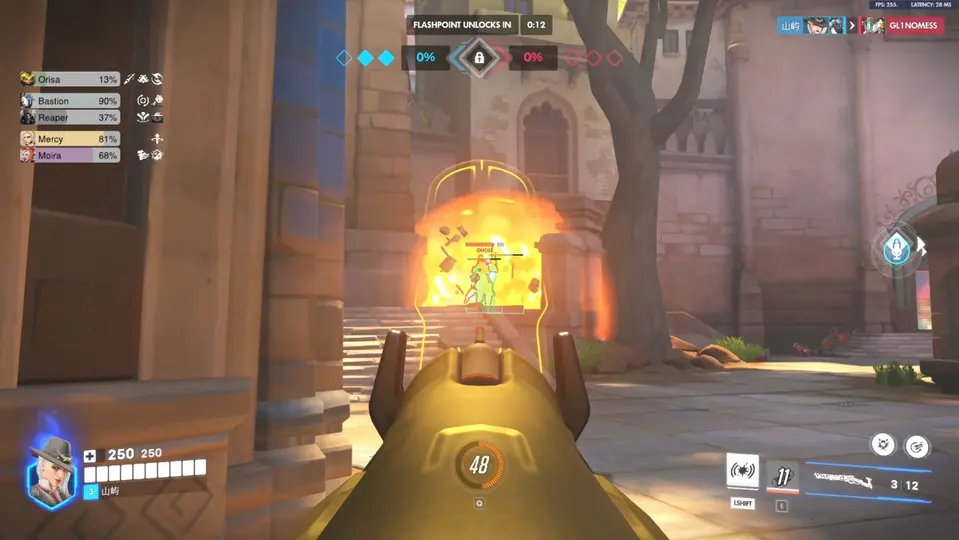
An Overwatch 2 spoofer is infrastructure for hardware-level recovery and separation. Cover identifiers, follow order, maintain it after patches, and pair it with a current OverwatchCheats build. Done carefully, it reopens a path. Done as a shortcut — overlay first, spoof later, skip verify — it spends the next account faster than the last. There is no magic unban. There is a sequence.