Key takeaways
- Flexible hitscan + mobility DPS comps dominate consistent climb rates across most skill bands.
- Control maps favor sustained fights; push maps favor ult timing once win rate exceeds 50%.
- Disengaging at 40% lost fight often beats greedy stagger extensions.
Three weeks into the current season, patterns are clear. Certain compositions, map approaches, and playstyles climb more consistently than others. This is not guesswork — it is based on community data, our own testing, and hundreds of observed ranked matches.
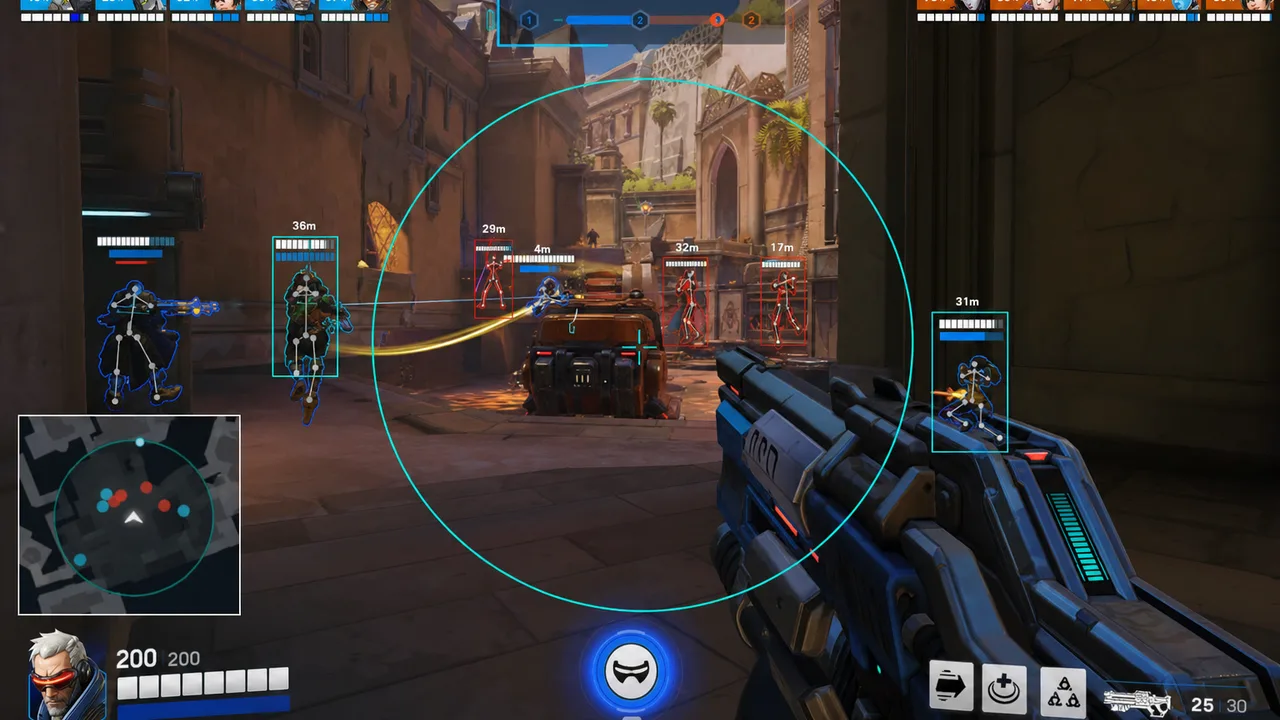
Whether you play vanilla or run awareness tooling, the meta principles are the same: cooldown alignment beats single-hero gimmicks, flexibility beats hard one-tricks for solo queue, and fight timing matters more than kill count perfection.
Dominant Composition: Flexible DPS + Cooldown Core
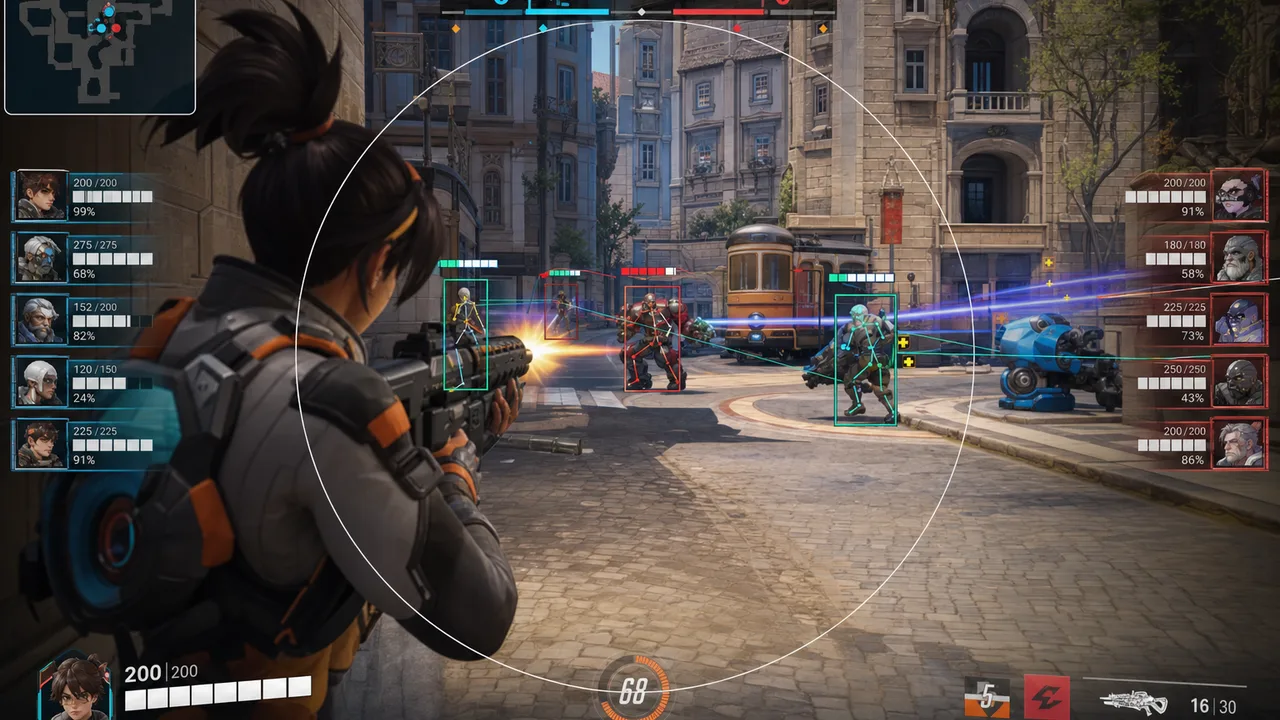
The most common climbing comp across Gold through Diamond pairs a reliable hitscan (Soldier, Cassidy, Sojourn) with a mobility threat (Tracer, Genji, Sombra) and a support duo running strong defensive cooldowns (Kiriko, Ana, Lucio depending on map).
The reason is fight coverage — you handle long lanes with hitscan, close flanks with mobility, and survive burst with support utility without hard-countering yourself to any single enemy comp.
One-trick tank strategies work in organized stacks but underperform in solo queue statistics. Flexible tank play with Rein/Zarya/Winston swaps based on map extracts more SR per hour because you spend less time in unwinnable matchups.
Map Meta: Control Over Raw Frags
Control maps (Lijiang, Nepal, Ilios) have shorter rotation cycles and higher team fight density. Compact layouts mean faster ult cycles and less flank travel time — information tools like player ESP and ult tracking pay maximum ROI here.
Push maps (King’s Row, Midtown, Route 66) reward objective timing over kill chasing. The data is clear: players who ult on cart meter marks climb faster than players who ult for highlight eliminations off payload.
Hybrid maps split the difference — win first point with fight discipline, win second with payload awareness.
The Disengage Strategy
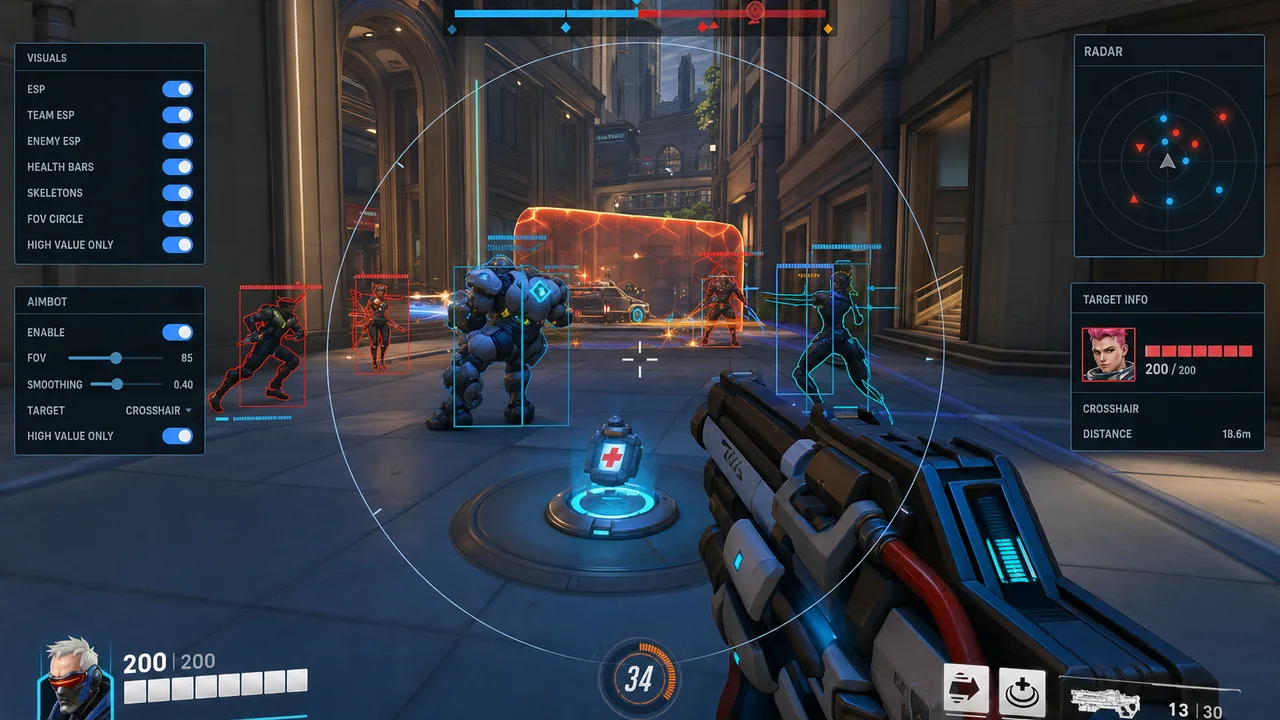
The most underrated strategy in current ranked is knowing when to leave. Players who reset at 40% lost fight win more SR per hour than players who stagger for one more pick 60% of the time.
Math: five wins with clean resets beat three wins with two stagger losses extending fight time and feeding enemy ult charge.
Players using ESP or objective awareness tools see this advantage amplified — you can confirm when a fight is cooling down and leave before enemy support ults land.
What Top 500 Players Do Differently
After watching high-SR players across dozens of matches, three habits stand out:
-
They track cooldowns every fight. Enemy support ult charge and key DPS cooldowns change commit decisions. Ult ESP reinforces this habit — but discipline still has to exist.
-
They never take fair fights at disadvantage. Down a support with enemy Blade ready? Reset immediately. Ego loses more SR than any hero counter.
-
They have a Plan B rotate before committing. When main path gets contested, they swap lanes without hesitation. Indecision at choke is the number one killer of Diamond+ players.
Cheat Feature Alignment for Current Meta
Current meta favors information over aggression. Player ESP supports the cooldown-check habit. Ult filters make disengage timing efficient. Objective ESP backs Plan B rotates when primary push heats up.
If you are evaluating software for meta-aligned play, start with our feature ranking and solo vs team tier guía before stacking combat automation that fights the disengage philosophy.
Predictions for the Rest of the Season
Based on current balance and community trends:
- Dive buffs in upcoming patches will increase Winston/Genji stack strategies
- New map additions will shift some players toward mobility-heavy comps
- Support reworks will grow cooldown-centric play as defensive tools get tuned
Adapting When the Meta Shifts
When hero pick rates move or ability reworks land, adjust in this order:
- Win rate first — if climb stalls, return to flexible comps before chasing one-trick comfort.
- Hero pool second — tweak support and flex picks before abandoning core DPS coverage.
- Software configs third — update ult filters and ESP distance to match new hot heroes and maps.
Stay updated with our cheat tiers and latest blog posts as the meta evolves.