Key takeaways
- Pause ranked immediately after major patches until your cheat and spoofer vendors confirm status.
- Verify build version, loader compatibility, and config resets before returning to competitive.
- Treat the first post-patch session as a test match — not an SR push night.
Season patches in Overwatch 2 do not just reshuffle hero balance and map pools. They often move anti-cheat boundaries, break loader compatibility, and reset the assumptions behind every config you spent hours tuning. Players who treat patch day like a normal ranked night lose accounts, waste hardware resets, and blame tools that simply were not verified yet.
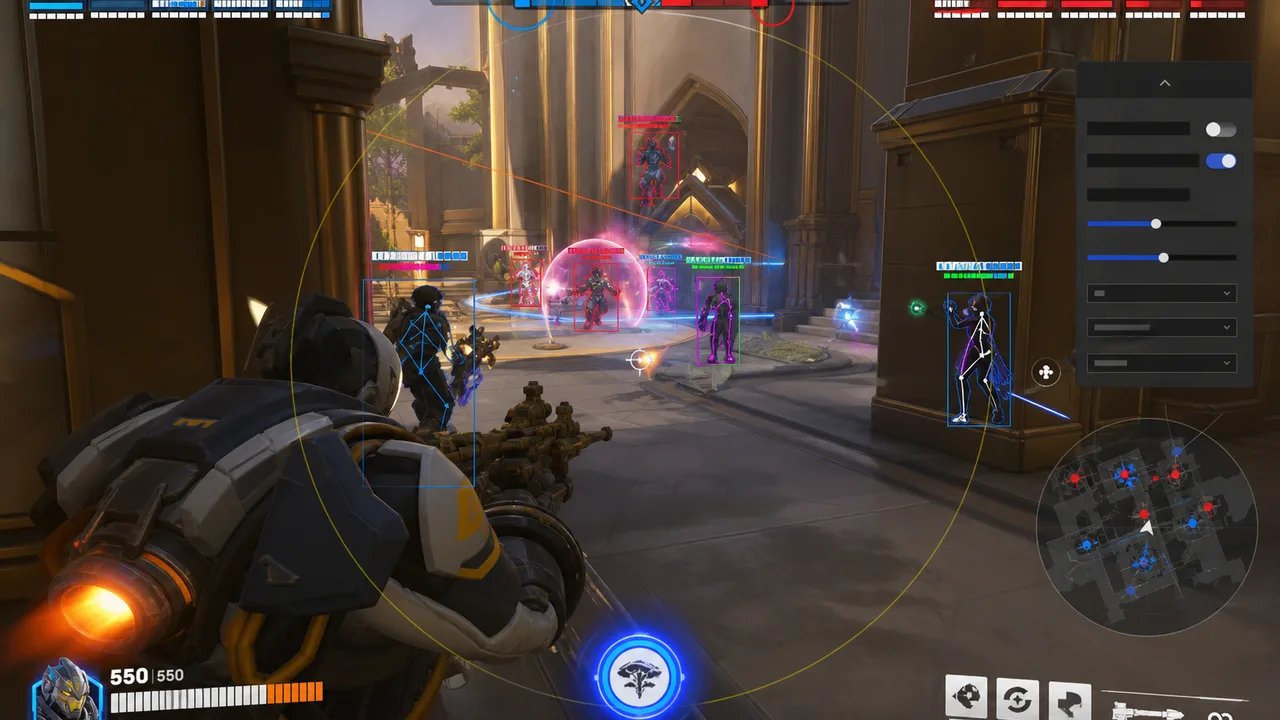
A post-patch workflow is not optional for anyone running advantage software. It is the difference between sitting out one evening and rebuilding an entire setup from scratch. This guia covers what to do when updates drop, how long to wait, what to verify before relaunching, and how to ease back into ranked without unnecessary risk.
What Season Patches Actually Disrupt
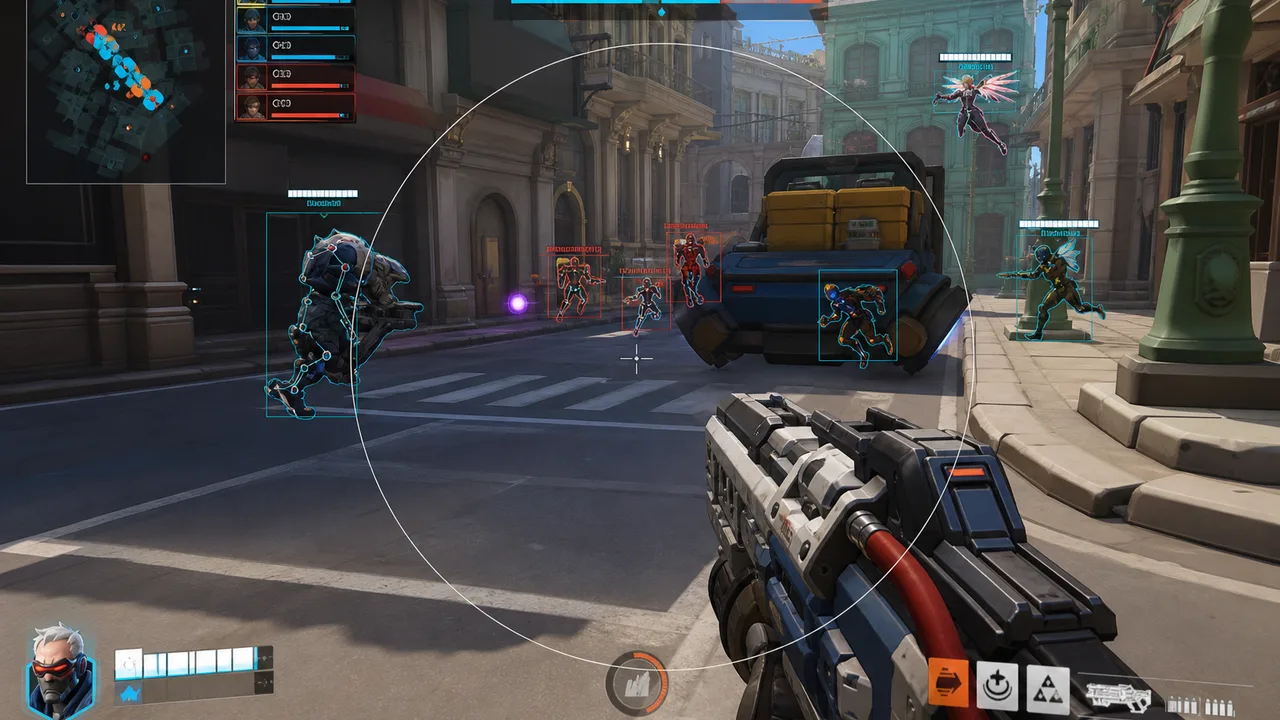
Overwatch 2 patches typically ship in layers. Balance changes alter TTK, ability cooldowns, and composition viability. Content updates add heroes, maps, or seasonal modifiers. Underneath both, anti-cheat and client integrity updates can change what third-party software can safely hook without detection.
From a meta perspective, you might need new comps and hero priorities after a patch — see meta analysis. From a setup perspective, you might need a new build, a config reset, or a full pause until your provider publishes verified status. Confusing those two jobs is how players queue ranked with yesterday’s software on today’s client.
The First Hour After a Patch Drops
When a season or hotfix patch lands:
- Read official patch notes — note anti-cheat mentions, kernel changes, or integrity updates even if buried.
- Check provider status — changelog, support page, or announcement on your cheat tier.
- Download any new build — do not reuse old loader because it worked last week.
- Hold high-SR accounts — do not be first live test on your main session.
- Snapshot old config — export configurações before resetting; rebuild deliberately.
If status is unknown, stop. Unknown means down until confirmed.
Verifying Builds Before You Queue
Once a provider marks a build updated:
- Confirm file hash or version matches publication
- Run loader without joining ranked — injection completes, menus open, ESP renders
- Walk config category by category — patches break filters, FOV limits, overlay positions
- If using HWID Spoofer, check spoofer patch status independently
Half-broken ESP is worse than no ESP — false confidence loses SR and invites reports.
Config Reset Priorities After Balance Patches
Hero reworks change more than damage numbers:
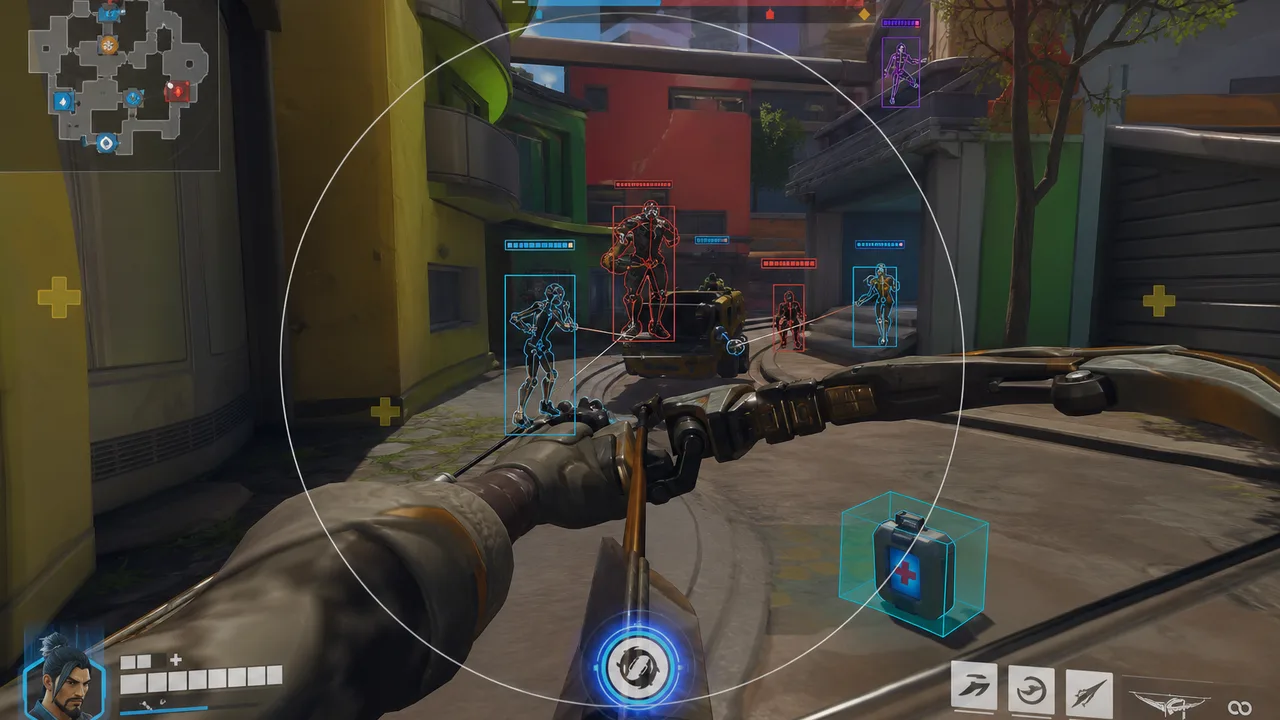
- ESP distance — new mobility abilities change engagement ranges
- Ult ESP tiers — reworked kits shift fight-winning cooldown priority
- Ability ESP filters — deployable changes need marker updates
- Aim smoothing — TTK shifts change believable assist feel
- Hero profiles — delete obsolete per-hero configs instead of limping with wrong FOV
Cross-reference ESP guia, health ult ESP, and aimbot guia for category-specific resets.
Re-Entry Session — Test Match Protocol
First session back:
- Load
baselineprofile from setup checklist — not experimental PvP max - Quick Play or custom game only
- One full match verifying ESP alignment, no menu stutter
- Note anything misaligned — ability markers offset, wrong ult readouts
- Second match if first passed; ranked only after two clean tests
Spoofer and DMA Users — Extra Steps
Combined stacks need parallel verification:
- Spoofer changelog after OW2 patch
- Cloud DMA firmware compatibility — cloud DMA guia
- Re-spoof if documentation requires post-update reboot
- Combined login order per HWID spoofer with cheats
Updating cheat but not firmware (or vice versa) creates ghost failures.
Meta Adaptation After Software Is Stable
Once builds verify:
- Read meta analysis for composition shifts
- Adjust hero pool and ESP filters to match new hot heroes
- Update low-profile configurações for new TTK — not old smoothing values
- Revisit feature ranking if your death types changed with meta
Software stable + meta wrong still loses SR. Fix both layers.
Long-Term Patch Habits
- Bookmark provider status page
- Enable update notifications where available
- Keep session log: game build, cheat version, spoofer version, config profile name
- Review undetected myths after each scare — panic causes bad reconfigs
- Streamers re-run stream-safe verification every patch
Bottom Line
Patch survival for Overwatch 2 cheats is a repeatable workflow: pause, verify, baseline, test, adapt meta, resume ranked. Treat undetected status as per-build, per-patch, not permanent.
The players who keep climbing across seasons are not lucky — they sit out patch night, read changelogs, and return with configs rebuilt for new balance instead of old assumptions.